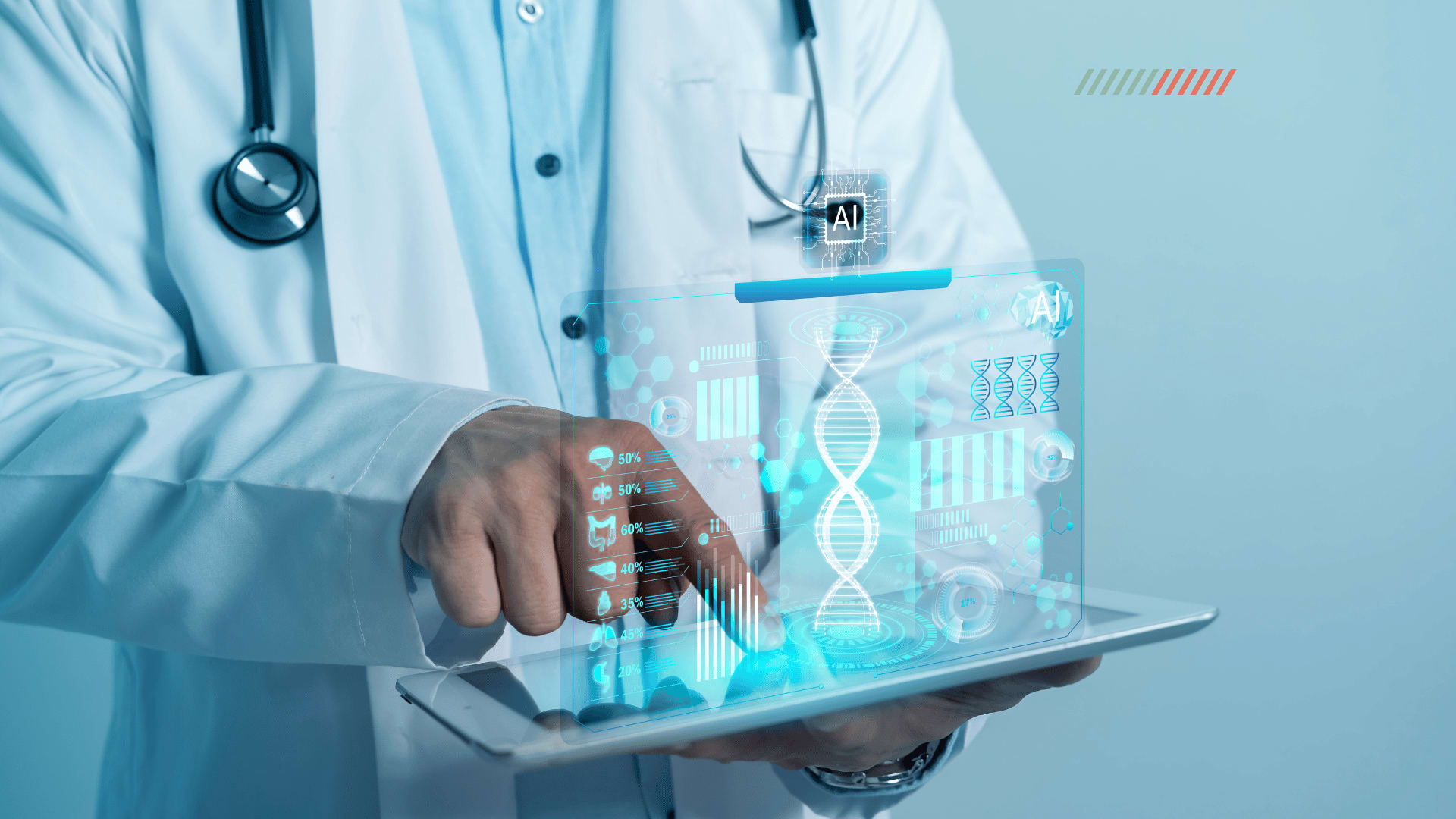
The convergence of Biotech and Microchips in Healthcare is becoming one of the most transformative forces in modern medicine. In 2026, advances in biotechnology, semiconductor engineering, artificial intelligence, and digital health technology are creating a new generation of healthcare solutions that are smarter, faster, more connected, and increasingly personalized.
From wearable biosensors that continuously monitor vital signs to implantable devices capable of delivering targeted therapies, healthcare is moving beyond reactive treatment models toward proactive and preventive care. Medical microchips are enabling physicians to gather real-time biological data, while bioelectronic medicine is creating innovative approaches to diagnosing and treating disease.
This shift is not simply about making healthcare more digital. It represents a fundamental transformation in how biological information is collected, analyzed, and used to improve patient outcomes. As healthcare providers, researchers, and technology companies collaborate more closely, biotech and microchip integration is opening opportunities that were previously considered impossible.
The growing importance of Biotech and Microchips in Healthcare is driven by several factors:
Rising healthcare costs
Increased demand for personalized healthcare
Growth of AI-powered diagnostics
Expansion of connected healthcare ecosystems
Advances in biomedical engineering
Greater emphasis on preventive medicine
As these technologies mature, they are reshaping everything from disease detection and drug development to remote patient monitoring and precision medicine.
What Is Driving the Convergence of Biotech and Microchips in Healthcare in 2026?
The rapid growth of Biotech and Microchips in Healthcare is being driven by advances in semiconductor technology, biotechnology research, artificial intelligence, and increasing demand for personalized healthcare. Healthcare systems are seeking smarter, more cost-effective solutions that improve outcomes while reducing long-term treatment expenses.
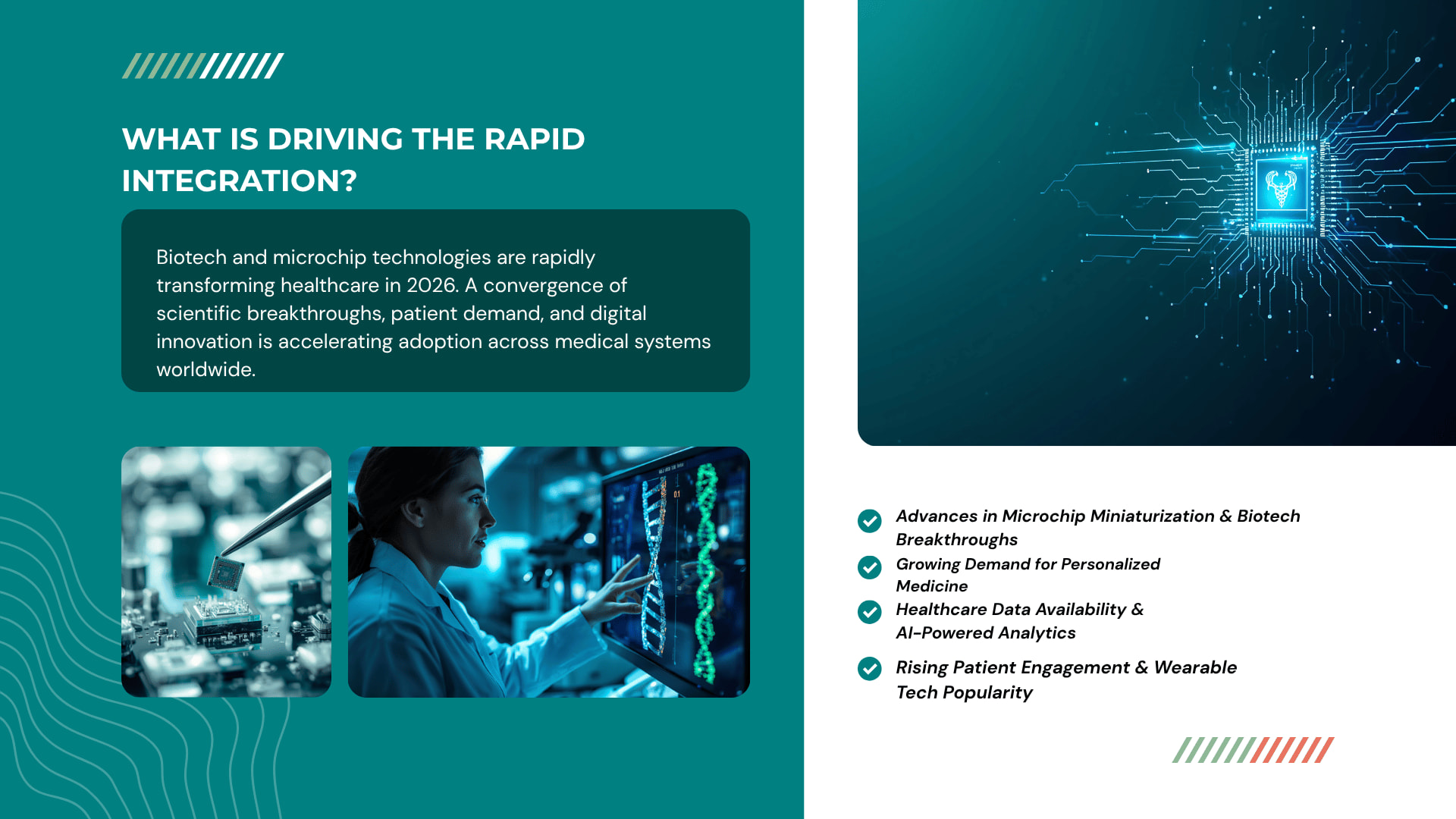
The healthcare industry is experiencing unprecedented technological convergence. Historically, biotechnology and microelectronics evolved separately. Today, they are increasingly interconnected.
Several forces are accelerating this transformation:
Miniaturization of semiconductor components
Growth of precision medicine initiatives
Increased healthcare data availability
Improved AI-powered diagnostics
Expansion of wearable biosensors
Demand for remote healthcare services
The result is a new generation of smart healthcare systems capable of continuously monitoring biological processes and supporting personalized treatment decisions.
What does the term Biotech and Microchips in Healthcare mean?
Biotech and Microchips in Healthcare refers to the integration of biotechnology with semiconductor-based microelectronic systems to monitor, diagnose, analyze, and treat medical conditions.
These technologies include:
Biochips
Medical microchips
Implantable devices
Wearable biosensors
Neural implants
Smart implants
Lab-on-a-chip systems
Together, they bridge biological science and digital technology to improve healthcare delivery.
How have biotechnology and semiconductor technologies evolved together?
Biotechnology focuses on understanding and manipulating biological systems, while semiconductor engineering specializes in creating miniature electronic devices.
Over the last two decades:
Genomic sequencing became faster and cheaper.
Semiconductor manufacturing achieved nanoscale precision.
Sensor technology became more sensitive.
AI systems improved data interpretation.
These advancements created the perfect environment for integrated bioelectronic healthcare solutions.
Why is the integration of biology and microelectronics accelerating now?
Several recent breakthroughs have accelerated adoption:
Improved chip manufacturing processes
Lower sensor costs
Increased computing power
AI-assisted analytics
Cloud connectivity
Expansion of telemedicine
Together, these innovations enable healthcare providers to collect and analyze biological information in real time.
Why are healthcare providers investing in biotech-enabled microchip technologies?
Healthcare organizations view these technologies as tools for improving outcomes while reducing costs.
Key benefits include:
Earlier diagnosis
Continuous monitoring
Reduced hospital readmissions
Better treatment personalization
Improved patient engagement
How are rising healthcare costs influencing innovation?
Healthcare systems worldwide face increasing financial pressure.
Biochip technologies can reduce costs by:
Detecting diseases earlier
Preventing complications
Supporting home-based care
Reducing unnecessary testing
Improving treatment accuracy
Preventive interventions are often far less expensive than treating advanced disease.
Why is preventive healthcare creating demand for smart biosensors?
Wearable biosensors continuously collect health data, allowing providers to identify potential problems before symptoms become severe.
Benefits include:
Earlier intervention
Better chronic disease management
Reduced emergency visits
Improved patient awareness
Which industries are contributing to the growth of Biotech and Microchips in Healthcare?
Multiple sectors are driving innovation:
Semiconductor manufacturing
Biotechnology
Pharmaceuticals
Artificial intelligence
Cloud computing
Academic research
How are semiconductor manufacturers shaping healthcare innovation?
Chipmakers are developing:
Ultra-low-power processors
Advanced biosensors
Flexible electronics
Wireless communication systems
These technologies form the foundation of modern medical microchips.
What role do biotech companies play in microchip development?
Biotech firms contribute:
Biological assay development
Genomic analysis
Biomarker discovery
Molecular diagnostics
Their expertise ensures healthcare microchips can accurately interpret biological signals.
How are research institutions advancing biochip technologies?
Universities and research centers are creating:
Organ-on-chip platforms
Neural interfaces
Advanced diagnostic chips
Nanotechnology-enhanced biosensors
Many commercial healthcare innovations originate from academic laboratories.
What emerging technologies are enabling biotech and microchip integration?
Several technologies are making integration possible:
Nanotechnology
Artificial intelligence
Cloud computing
Advanced materials science
Wireless communications
How is nanotechnology improving healthcare microchips?
Nanotechnology enables:
Smaller sensors
Greater sensitivity
Faster testing
Improved biocompatibility
This allows healthcare devices to detect extremely small biological changes.
What role does artificial intelligence play in biochip systems?
AI-powered diagnostics help transform raw sensor data into actionable insights.
AI can:
Detect anomalies
Predict disease progression
Recommend interventions
Improve diagnostic accuracy
How are cloud platforms enhancing connected healthcare devices?
Cloud systems enable:
Remote monitoring
Data synchronization
Large-scale analytics
Collaborative healthcare delivery
Platforms supporting digital innovation, such as https://www.yoursitechat.com/, demonstrate how intelligent communication technologies can enhance connected healthcare experiences and improve information accessibility across digital ecosystems.
How Are Biotech and Microchips Transforming Healthcare Applications in 2026?
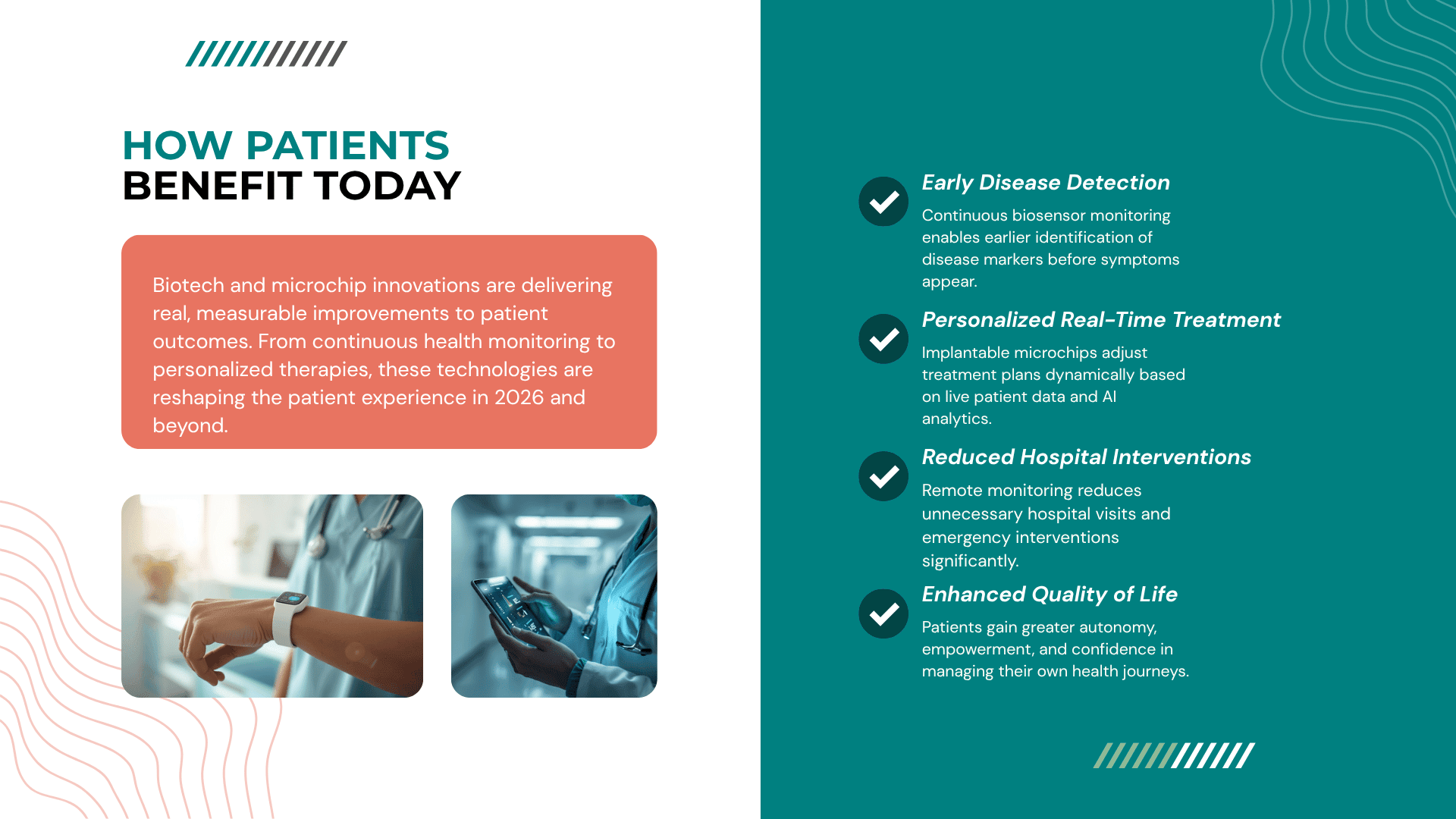
In 2026, Biotech and Microchips in Healthcare are transforming patient monitoring, diagnostics, drug development, personalized medicine, surgery, and remote care. These technologies provide real-time biological insights that help healthcare professionals make faster, more accurate decisions.
Healthcare microchips are no longer experimental concepts. They are becoming practical tools used across hospitals, clinics, research laboratories, and home healthcare environments.
The transformation can be seen across multiple applications.
Traditional Healthcare TechnologyBiotech-Microchip Integrated SolutionPeriodic health checksContinuous monitoringLab-based diagnosticsLab-on-a-chip testingStandardized treatmentsPrecision medicineReactive carePreventive careHospital-centered monitoringRemote patient monitoringManual data analysisAI-powered diagnostics
How are wearable biochips changing patient monitoring?
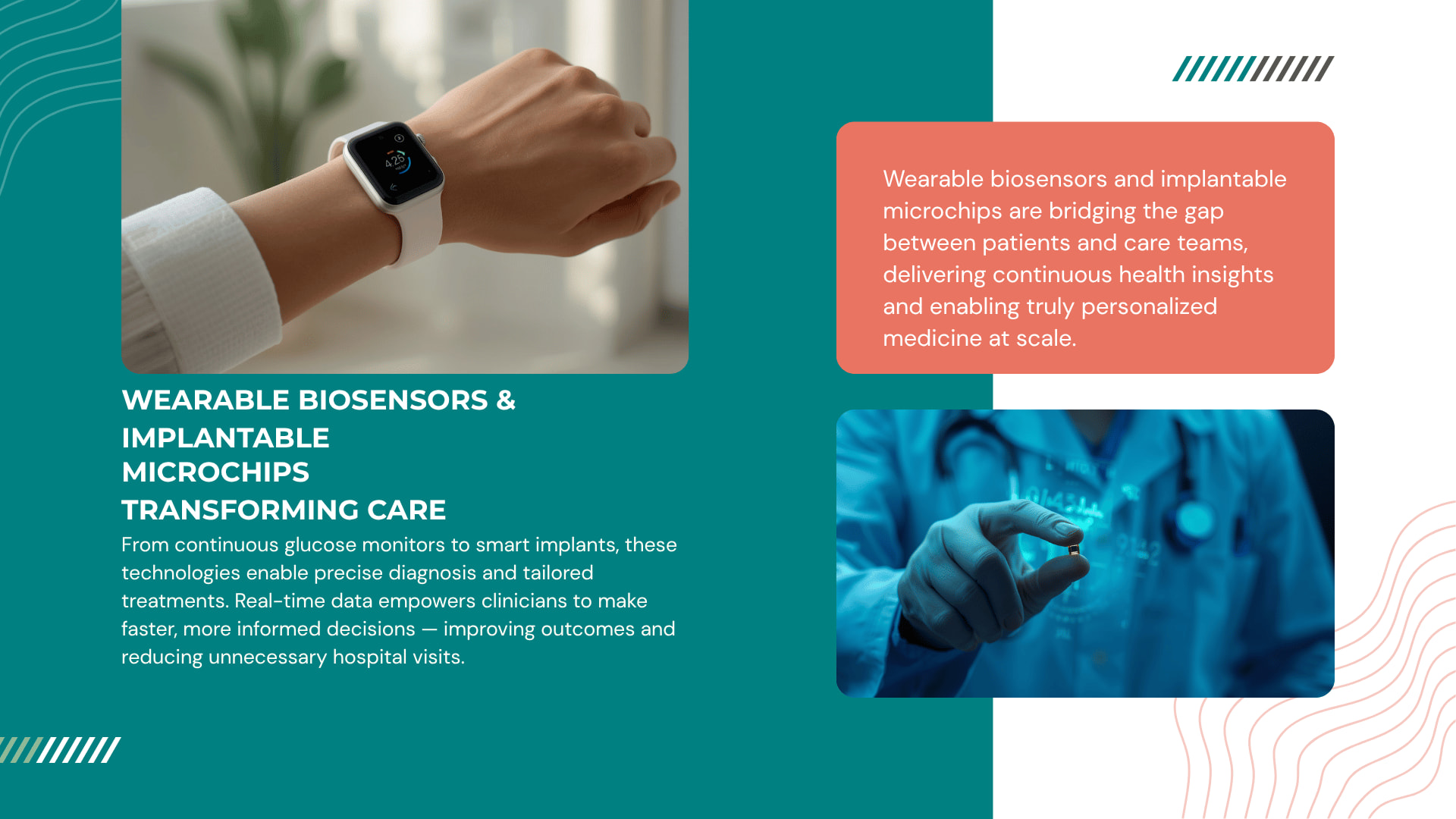
Wearable biochips enable continuous collection of biological data, helping healthcare providers monitor health conditions in real time. These systems improve disease management, support preventive healthcare, and reduce dependence on periodic clinical visits.
What health metrics can advanced wearable biochips track?
Modern wearable biosensors can monitor:
Heart rate
Blood oxygen levels
Glucose levels
Body temperature
Sleep quality
Activity patterns
Stress indicators
How do wearable biochips improve chronic disease management?
Patients with chronic conditions benefit from:
Continuous tracking
Early warning alerts
Better medication adherence
Reduced hospitalizations
How are implantable microchips improving healthcare outcomes?
Implantable devices provide continuous biological monitoring and targeted therapeutic interventions. These technologies allow physicians to observe internal physiological processes while supporting long-term disease management.
How do implantable devices monitor real-time biological data?
Implantable chips can measure:
Cardiac activity
Neural signals
Blood chemistry
Medication response
Real-time monitoring allows immediate detection of health changes.
What are the benefits of smart implants for long-term treatment?
Advantages include:
Continuous monitoring
Targeted therapy delivery
Improved treatment adherence
Reduced clinical visits
How are implantable chips helping patients with neurological disorders?
Neural implants are increasingly used to support patients with:
Parkinson's disease
Epilepsy
Chronic pain
Movement disorders
These systems can modulate neural activity and improve quality of life.
How are biotech microchips improving disease diagnosis?
How do lab-on-a-chip devices accelerate medical testing?
Lab-on-a-chip platforms miniaturize laboratory functions.
Benefits include:
Faster results
Lower costs
Smaller sample requirements
Improved accessibility
How are biochips enabling early disease detection?
Biochips detect subtle biological markers before symptoms appear.
Early detection improves outcomes for:
Cancer
Cardiovascular disease
Infectious diseases
Neurological disorders
What diseases can be diagnosed using next-generation biochip technology?
Applications continue expanding across:
Cancer diagnostics
Diabetes monitoring
Alzheimer's disease detection
Infectious disease screening
How are biotech and microchips advancing personalized medicine?
Personalized healthcare relies on understanding individual biological differences. Biochips analyze genetic, molecular, and physiological data, enabling physicians to tailor treatments to each patient's unique characteristics.
How do biochips analyze genetic information for tailored treatments?
Biochips can rapidly evaluate:
DNA variations
Gene expression
Mutation profiles
Pharmacogenomic markers
These insights support individualized therapies.
How are microchips supporting precision drug development?
Precision medicine initiatives use microchips to:
Identify drug targets
Evaluate treatment response
Optimize dosing strategies
What role do biomarkers play in personalized healthcare?
Biomarkers help physicians:
Predict disease risk
Select treatments
Monitor therapy effectiveness
How are biotech microchips improving drug discovery and development?
How do researchers use biochips to screen drug candidates faster?
Biochips allow thousands of biological interactions to be tested simultaneously.
Benefits include:
Faster screening
Improved accuracy
Reduced costs
How are pharmaceutical companies reducing development costs with biochips?
Microchip technologies support:
Earlier failure detection
Better candidate selection
Reduced laboratory expenses
Can microchip-based testing improve clinical trial success rates?
Yes. Better biological insights help:
Select suitable participants
Monitor responses
Identify safety concerns earlier
How are smart biosensors transforming preventive healthcare?
How do biosensors provide continuous health monitoring?
Sensors continuously collect physiological data and transmit results for analysis.
This supports:
Early intervention
Risk assessment
Personalized recommendations
What health risks can biosensors detect before symptoms appear?
Potential risks include:
Cardiac irregularities
Elevated glucose trends
Sleep disorders
Inflammatory changes
How are biosensors supporting remote patient care?
Remote monitoring enables healthcare teams to supervise patients without requiring constant clinic visits.
How are biotech and microchips enhancing surgical procedures?
How do microchip-guided surgical tools improve precision?
Advanced surgical systems provide:
Real-time guidance
Enhanced visualization
Improved accuracy
What role do bioelectronic implants play in post-surgery recovery?
Bioelectronic medicine technologies can:
Support healing
Monitor recovery
Deliver therapeutic stimulation
How are healthcare microchips supporting telemedicine and digital health?
How do connected biochips enable remote diagnostics?
Connected healthcare systems transmit data directly to clinicians.
This enables:
Faster diagnosis
Reduced travel
Improved accessibility
How are healthcare providers using real-time patient data effectively?
Providers can:
Detect deterioration early
Adjust treatments quickly
Improve long-term outcomes
What Challenges, Risks, and Future Opportunities Exist for Biotech and Microchips in Healthcare?
Although Biotech and Microchips in Healthcare offer significant benefits, adoption faces challenges related to cost, regulation, cybersecurity, ethics, and accessibility. At the same time, future innovations could dramatically expand healthcare capabilities beyond 2026.
Healthcare innovation often involves balancing opportunity with responsibility.
As biochip technologies become more powerful, healthcare leaders must address critical concerns.
What challenges are slowing the adoption of biotech and microchips in healthcare?
How do development costs affect healthcare innovation?
Creating advanced medical microchips requires:
Extensive R&D
Clinical testing
Regulatory approval
Manufacturing investment
These factors increase initial costs.
What technical barriers limit large-scale deployment?
Challenges include:
Battery limitations
Biocompatibility concerns
Sensor reliability
Data integration complexity
How do healthcare regulations impact biochip adoption?
Regulatory agencies require extensive evidence of:
Safety
Effectiveness
Reliability
Organizations such as the U.S. Food and Drug Administration (FDA) play a critical role in evaluating emerging healthcare technologies.
Are biotech microchips safe for patients?
Most healthcare microchip technologies undergo rigorous safety testing before approval. Manufacturers must demonstrate reliability, biocompatibility, and effectiveness while minimizing potential risks associated with implantation, monitoring, and data transmission.
What safety standards govern healthcare microchip technologies?
Standards typically evaluate:
Material safety
Electrical safety
Biological compatibility
Cybersecurity protections
How are manufacturers minimizing device-related risks?
Strategies include:
Redundant safety systems
Improved materials
Continuous monitoring
Regular software updates
What clinical testing is required before approval?
Testing often involves:
Laboratory validation
Animal studies
Human clinical trials
Regulatory review
How is data privacy being protected in connected healthcare devices?
What cybersecurity threats affect medical microchips?
Potential risks include:
Data breaches
Device manipulation
Unauthorized access
Malware attacks
How can healthcare organizations secure patient data?
Best practices include:
Encryption
Multi-factor authentication
Secure cloud infrastructure
Continuous monitoring
What regulations govern healthcare data protection?
Healthcare organizations typically follow frameworks governing privacy and data security.
Guidance from organizations such as the World Health Organization (WHO) and national regulators continues to shape best practices for connected healthcare systems.
What ethical concerns surround Biotech and Microchips in Healthcare?
How should patient consent be managed for implantable technologies?
Patients should receive clear information regarding:
Benefits
Risks
Data collection practices
Long-term implications
What are the ethical implications of continuous health monitoring?
Continuous monitoring raises questions about:
Privacy
Autonomy
Data ownership
Behavioral influence
Could healthcare microchips increase healthcare inequality?
Potential disparities may emerge if advanced technologies remain inaccessible to underserved populations.
Equitable deployment remains a major policy consideration.
What innovations can we expect from biotech and microchips in healthcare beyond 2026?
How will next-generation biochips improve diagnostics?
Future biochips may provide:
Near-instant testing
Multi-disease detection
Greater sensitivity
What future breakthroughs could transform personalized medicine?
Researchers anticipate:
Real-time genomic monitoring
Adaptive therapies
AI-guided treatment optimization
How might brain-computer interfaces reshape healthcare?
Neural implants may help restore:
Communication
Mobility
Sensory function
These systems could become a major healthcare innovation area over the next decade.
Will fully autonomous health-monitoring systems become mainstream?
Many experts expect increasingly autonomous systems capable of:
Monitoring health continuously
Predicting risks
Recommending interventions
Human oversight will remain essential.
What opportunities do biotech and microchips create for healthcare providers and patients?
The future of Biotech and Microchips in Healthcare offers opportunities for earlier diagnosis, improved efficiency, personalized treatment, better patient engagement, and enhanced healthcare accessibility across diverse populations.
How can hospitals leverage biochip technologies for better outcomes?
Hospitals can use biochips to:
Improve diagnostics
Reduce readmissions
Enhance monitoring
Support precision medicine
What benefits will patients experience from connected healthcare ecosystems?
Patients may benefit from:
Faster diagnoses
More personalized care
Improved convenience
Better long-term outcomes
How can healthcare organizations prepare for the future of biotech and microchips?
Preparation strategies include:
Investing in digital infrastructure
Strengthening cybersecurity
Training healthcare professionals
Supporting research collaborations
What are the key takeaways about Biotech and Microchips in Healthcare in 2026?
Why is the convergence of biotechnology and microchips a defining healthcare trend?
The combination of biology, microelectronics, artificial intelligence, and connected healthcare is creating entirely new models of care.
This convergence enables:
Continuous monitoring
Precision medicine
Preventive healthcare
Smarter treatment decisions
What should healthcare leaders, researchers, and patients watch for next?
Key developments include:
Advanced neural implants
AI-powered diagnostics
Personalized healthcare platforms
Smart implants
Bioelectronic medicine innovations
How will Biotech and Microchips in Healthcare continue to evolve in the coming decade?
Over the next decade, healthcare is expected to become:
More predictive
More personalized
More connected
More data-driven
The integration of biotechnology and microelectronics will likely influence nearly every aspect of medical care.
Frequently Asked Questions (FAQ)
1. What are Biotech and Microchips in Healthcare?
They are integrated technologies that combine biotechnology with microelectronic systems to monitor, diagnose, and treat medical conditions more effectively.
2. How do wearable biosensors improve healthcare?
Wearable biosensors provide continuous monitoring of vital signs and health indicators, enabling earlier intervention and better disease management.
3. Are implantable medical microchips safe?
Most implantable devices undergo extensive clinical testing and regulatory review before approval for patient use.
4. How do biochips support precision medicine?
Biochips analyze genetic and molecular information, helping physicians select treatments tailored to individual patients.
5. What is bioelectronic medicine?
Bioelectronic medicine uses electronic devices to influence biological processes for therapeutic purposes.
6. Can healthcare microchips improve disease diagnosis?
Yes. Advanced biochips can detect biomarkers quickly and accurately, often enabling earlier diagnosis.
7. What role does AI play in healthcare microchips?
AI helps interpret large amounts of biological data, improving diagnostic accuracy and treatment recommendations.
8. What is the future of Biotech and Microchips in Healthcare?
Future developments are expected to include smarter implants, advanced neural interfaces, autonomous monitoring systems, and highly personalized healthcare solutions.
Conclusion
The rise of Biotech and Microchips in Healthcare represents one of the most significant healthcare transformations of the modern era. In 2026, innovations in medical microchips, wearable biosensors, implantable devices, bioelectronic medicine, AI-powered diagnostics, and precision medicine are reshaping how healthcare is delivered.
Healthcare systems are moving away from reactive treatment models toward proactive, predictive, and personalized healthcare approaches. Continuous monitoring, connected healthcare ecosystems, smart implants, and advanced biomedical engineering solutions are improving outcomes while creating new opportunities for both patients and providers.
Although challenges remain—including regulatory requirements, cybersecurity concerns, ethical considerations, and development costs—the long-term trajectory is clear. The convergence of biotechnology and microelectronics is accelerating rapidly and will continue influencing healthcare innovation throughout the coming decade.
Organizations, researchers, clinicians, and technology leaders who embrace this evolution will be better positioned to deliver safer, smarter, and more effective healthcare in the years ahead.